




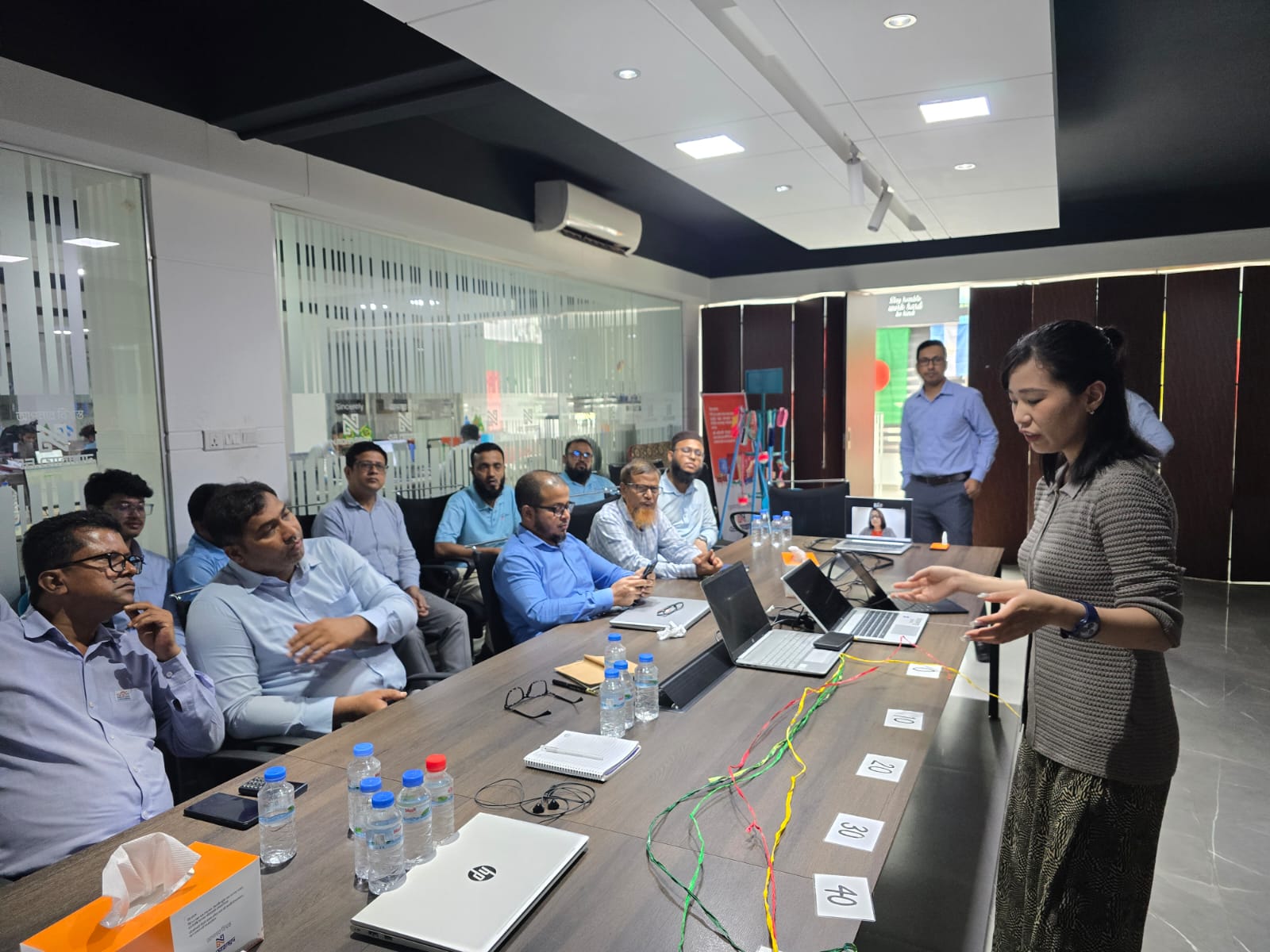
A session focused on self-understanding and personal development was held at the Head Office of N. Mohammad Group on 6 July 2026. Facilitated by Ms. Nanako Nishimura from Japan, the session introduced participants to a structured method of reflecting on their life experiences, childhood, dissatisfaction, hopes, and deeper desires.
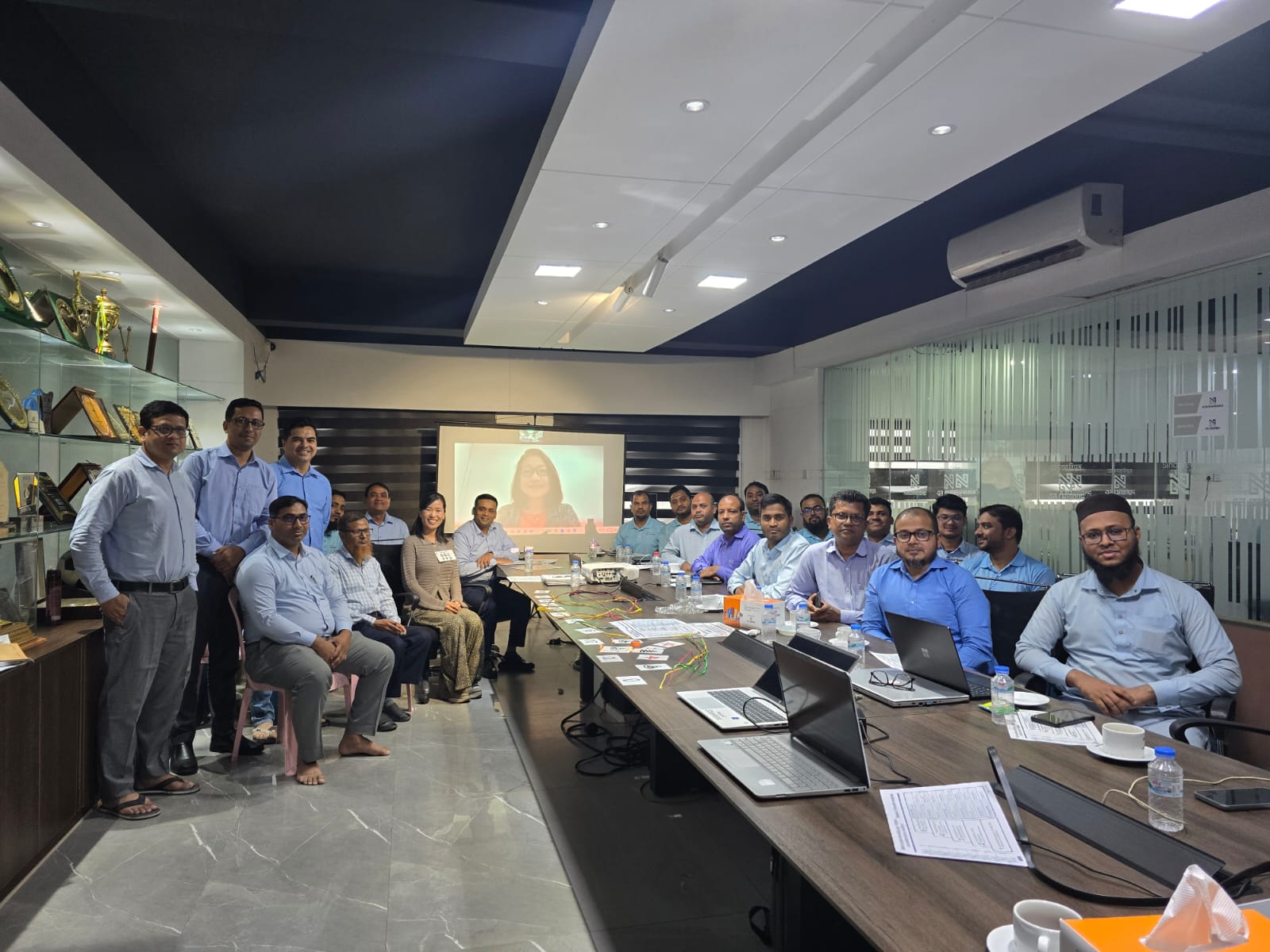
The discussion encouraged participants to look beyond professional roles and daily responsibilities and consider a more personal question:
What truly motivates us?
Knowledge Grows, but Motivation Can Become Harder to Find
As people grow older, they naturally gain knowledge, experience, skills, and a greater understanding of the world. However, with age also come responsibilities, expectations, disappointments, and pressure.
As a result, the natural enthusiasm we experienced during childhood can sometimes become less visible.
A simple example is learning to ride a bicycle.
A child does not usually learn to ride because of financial gain, professional recognition, or social status. The child learns because the experience is exciting. Falling is part of the process, and trying again feels natural. The joy of learning becomes its own reward.
As adults, however, we frequently evaluate our activities according to what we will receive in return. We may ask whether something will increase our income, improve our career, earn recognition, or produce an immediate result.
While such considerations are part of adult life, they can sometimes prevent us from recognizing the activities, values, and aspirations that genuinely inspire us.
A Five-Step Journey of Self-Understanding
The session introduced a five-step framework designed to help individuals gradually understand themselves more deeply.
Step 1: Considering Your Whole Life
The process begins by examining life as a complete journey. Participants are encouraged to reflect on major experiences, relationships, successes, difficulties, decisions, and turning points.
The purpose is not simply to remember past events. It is to identify patterns that may have influenced personal beliefs, behaviour, motivation, and decision-making.
Step 2: Considering Your Childhood
Childhood often contains important clues about natural interests and sources of happiness.
Before external expectations became dominant, what did we enjoy doing? What made us curious? Which activities could hold our attention without any promise of reward?
Reflecting on these questions may also help us recognize misunderstandings or limiting beliefs that we developed about ourselves while growing up.
Step 3: Considering Your Dissatisfaction
Dissatisfaction is usually viewed as something negative. However, it can also provide valuable information.
Feeling dissatisfied with a situation may indicate that an important need, value, or aspiration is not being fulfilled. By listing and examining our dissatisfaction honestly, we can begin to understand what is missing from our present life.
Step 4: Considering Your True Hopes
Behind many forms of dissatisfaction lies a hope.
For example, dissatisfaction with repetitive work may reveal a desire for creativity. Frustration with limited responsibility may point to a hope for growth or leadership. Discomfort with poor communication may reflect a deeper desire for trust and meaningful relationships.
By exploring dissatisfaction carefully, individuals can begin to identify the hopes hidden beneath it.
Step 5: Realizing Your True Desires
The final step is to bring these hopes together and understand the deeper desires that can guide future choices.
This does not necessarily mean making an immediate or dramatic life change. It means developing greater clarity about what matters, what provides energy, and what kind of life and contribution feel meaningful.
Why Self-Understanding Matters in the Workplace
Self-understanding is not limited to personal well-being. It can also influence professional effectiveness.
Employees who understand their strengths, values, motivations, and aspirations may be better able to:
- Make thoughtful career decisions
- Communicate their needs and ideas clearly
- Respond constructively to challenges
- Build stronger relationships with colleagues
- Connect personal purpose with organizational goals
External rewards such as salary, promotion, and recognition remain important. However, sustainable motivation often requires something deeper: a personal connection with the work being performed.
When individuals understand why their work matters to them, responsibility can become more meaningful and development can become more intentional.
Looking Back to Move Forward
One of the most meaningful lessons from the session was that motivation may not always need to be created from the beginning.
Sometimes, it already exists within our past experiences.
The curiosity that encouraged us to learn, the happiness we found in simple achievements, and the courage that helped us try again after failure may still be present. They may simply be hidden beneath years of responsibility, routine, and external expectations.
By reflecting on our whole life, revisiting childhood, understanding dissatisfaction, and identifying our true hopes, we may reconnect with that inner source of motivation.
At N. Mohammad Group, we believe that organizational growth is closely connected to individual growth. Sessions such as this create valuable opportunities for reflection, learning, and meaningful professional development.
Because personal development is not only about knowing more.
It is also about understanding ourselves better.